
By Karachi Psychiatric Hospital Editorial Team | Medically Reviewed by Consultant Psychiatrists | Sep 2026
The right depression treatment depends on the person’s symptoms, medical history, and daily challenges. Some people respond well to psychotherapy alone; others need medication or a combination of both.
The World Health Organization estimates that around 322 million people worldwide were living with depression in 2023. Beyond mood, it can affect thinking, behavior, relationships, and everyday functioning.
So: therapy, medication, or both? There’s no universal answer. A psychiatrist or qualified mental health professional weighs symptom severity, duration, past treatment response, medical history, and personal safety and preferences before recommending psychotherapy, medication, lifestyle changes, or a combined approach.
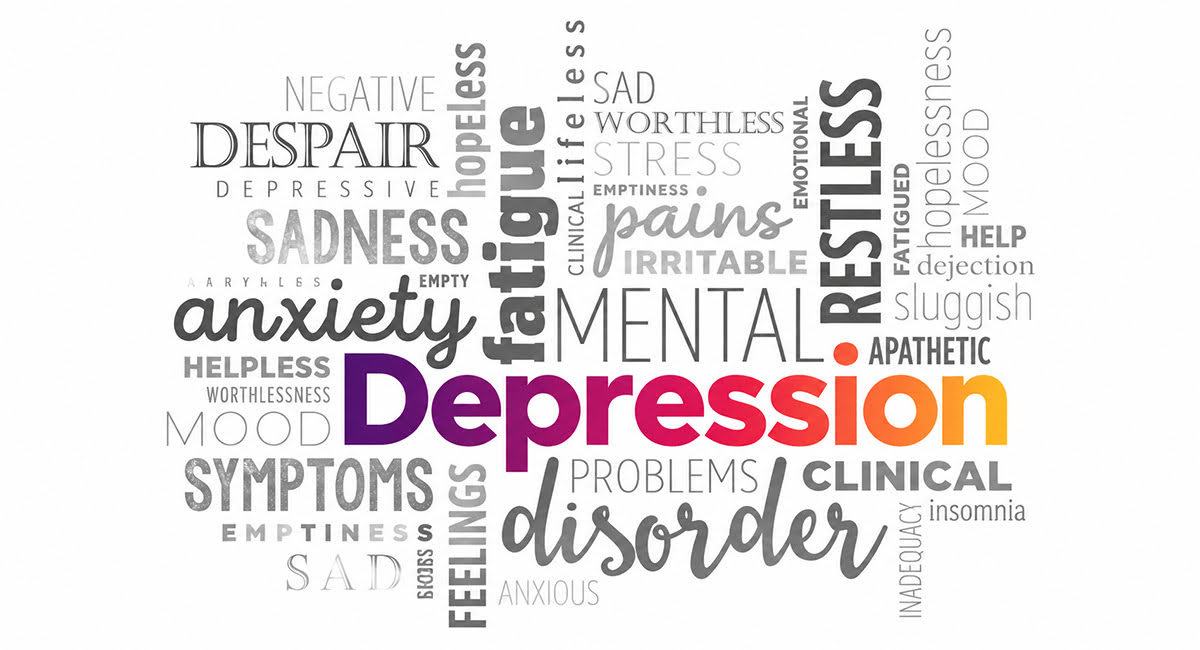
Understanding Depression and Its Symptoms
Depression goes beyond being merely sad for a short time; it is a mental illness that can result in long-lasting changes to a person’s mood, way of thinking, behavior, and everyday functioning.
Common depression symptoms may include:
- Persistent feelings of sadness, emptiness, or hopelessness
- Loss of interest or pleasure in once enjoyable activities
- Changes in sleeping patterns
- Low energy or constant tiredness
- Difficulty concentrating or making decisions
- Changes in appetite or weight
- Feeling excessive guilt or worthlessness
- Avoiding social activities
- Increased irritability or emotional changes
- Thoughts of self-harm in severe cases
The severity of depression symptoms differs from person to person; some people have mild symptoms whereas others encounter difficulties that have an impact on their work, their relationships, and their general well-being.
Psychotherapy for Depression: How Therapy Can Help
Psychotherapy, which is also referred to as talk therapy or counseling, is a commonly used method of treatment that enables people to come to an understanding of and control their thoughts, feelings, and behaviors associated with depression. It provides people with the opportunity to talk about their thoughts, feelings, difficulties, and behaviors in a safe and structured setting.
The National Institute for Health and Care Excellence (NICE) includes evidence-based psychological treatments, such as cognitive behavioral therapy (CBT), among the treatment options for depression.
A qualified therapist assists individuals in coming to an understanding of the patterns that may lead to depression and in developing healthier methods of dealing with difficulties.
Psychotherapy may help with:
- Identifying negative thinking patterns
- Managing stress and emotional challenges
- Improving coping skills
- Building healthier routines
- Understanding personal triggers
- Improving communication and relationships
The therapy that is chosen will depend on an individual’s symptoms, their objectives, and their general mental health requirements. For instance, Cognitive Behavioral Therapy (CBT) involves spotting unhelpful thoughts and then replacing them with healthier modes of thinking.
For some individuals who have mild to moderate depression, therapy by itself might offer substantial support.

Medication For Depression: When Is It Recommended?
Medication for depression might be suggested when the symptoms are moderate to severe or when depression starts to have a significant impact on daily responsibilities and on the quality of life. A psychiatrist will assess whether medication is suitable by taking into account factors such as:
- Severity and duration of symptoms
- Previous treatment history
- Medical conditions
- Sleep patterns
- Family history
- Other mental health conditions
Antidepressant drugs can be of some help in dealing with symptoms including low mood, anxiety, problems with sleep, and a diminished ability to look after everyday activities.
APA says that in some cases involving individuals with moderate to severe depression, there may be greater benefit from combining antidepressant medication with psychotherapy than from using either treatment alone.
They must always be supervised by a qualified psychiatrist, and individuals should not stop or alter their psychiatric medication without obtaining medical advice, since sudden changes could affect their symptoms.
How Psychiatrists Decide Between Therapy and Medication
When comparing therapy vs medication for depression, there is no single option that works best for every person.
A psychiatrist gives a recommendation for treatment taking into account an individual’s symptoms, diagnosis, medical history, and personal circumstances.
| Feature | Psychotherapy | Medication |
|---|---|---|
| Main approach | Works with thoughts, emotions, behaviors, and coping strategies. | Uses medication to help manage depressive symptoms. |
| Delivered by | A suitably trained therapist or other qualified mental health professional. | A qualified prescribing clinician. |
| Treatment choice | Depends on clinical needs, preferences, available treatments, and previous response. | Depends on clinical needs, preferences, medical history, and previous response. |
| Potential role | May be used alone or alongside medication, depending on the situation. | May be used alone or alongside psychotherapy, depending on the situation. |
| Monitoring | Progress and treatment goals should be reviewed. | Benefits, side effects, symptoms, and safety should be monitored. |
| Duration | Varies according to the treatment and individual needs. | Varies according to response, recurrence risk, and the clinician’s treatment plan. |
Clinical Insight from Karachi Psychiatric Hospital: During psychiatric assessments, clinicians often find that patients have questions about whether medication is permanent or whether therapy alone can be enough. Treatment decisions are reviewed regularly and may change depending on symptom improvement and individual circumstances.

How Psychiatrists Assess Depression
A psychiatrist evaluates symptoms, rules out other possible conditions, and helps create a treatment plan based on the person’s needs.
A psychiatric evaluation may include:
- Reviewing symptoms and their duration
- Discussing medical and family history
- Understanding sleep, lifestyle, and stress factors
- Assessing previous treatments
- Checking whether other conditions, such as anxiety or bipolar disorder, might be causing the symptoms.
It is important to carry out an accurate assessment since some symptoms of depression may overlap with those of other mental health conditions, meaning that a professional evaluation is needed in order to reach the correct diagnosis and treatment plan. For instance, people who are looking for bipolar disorder treatment in Karachi need to undergo a proper evaluation to make sure they receive the right diagnosis and treatment plan.
If individuals are seeking the best psychiatrist in Pakistan, they should take into account a psychiatrist’s professional qualifications, their experience in treating mood disorders, their communication style, and the quality of the assessment they provide.
If you want to learn more about the role of a psychiatrist in depression care, read How a Psychiatrist Can Help You Overcome Depression.
When to Seek Urgent Mental Health Help
If you or a member of your family have any thoughts about committing suicide or about engaging in self-harm, you should get professional help as soon as possible. In the case of an urgent danger, go to the nearest emergency department or call local emergency services.
If it is safe to do so, remain with the person. Should the symptoms get worse or if there are any safety concerns while being treated, get in touch with the psychiatrist as quickly as possible.
What to Expect When Arranging a Consultation
When contacting the hospital, patients can ask:
- Who is going to carry out the first assessment?
- What level of qualification and experience does the clinician who is looking after the patient have?
- Are psychotherapy and medication management offered if it is clinically appropriate?
- What happens when follow-up appointments are arranged?
- What kind of things should patients bring, for example, a list of their current medicines or their relevant medical records?
The hospital will be able to provide information about its appointment procedure and the services it offers.

Depression Treatment at Karachi Psychiatric Hospital (KPH)
Karachi Psychiatric Hospital (KPH) provides mental health services for individuals experiencing depression, anxiety, mood changes, and other psychiatric concerns.
We provide professional assessments and make individualized treatment plans. At KPH, mental health professionals carefully examine the symptoms in order to understand the various factors that affect a person’s emotional well-being.
Treatment support may include:
- Psychiatric assessment
- Psychotherapy and counseling
- Medication management when required
- Regular follow-up appointments
- Support and guidance for families
Seeking professional support can help individuals better understand their symptoms and discuss suitable treatment options with a qualified psychiatrist.
If you or a close person is suffering from depression symptoms that continue, you should contact the Karachi Psychiatric Hospital to arrange a psychiatric consultation and talk with a qualified mental health professional about the various treatment options available.
FAQs about Depression Treatment
Can depression go away without treatment?
Some mild cases of depression may improve with lifestyle changes, support, and time. However, if symptoms continue, worsen, or affect daily life, professional assessment and treatment can help.
How do I know if I need a psychiatrist or therapist?
A therapist can help with thoughts, emotions, coping skills, and behavioral patterns. A psychiatrist can assess mental health conditions and prescribe medication when needed. Some people benefit from both.
Are antidepressants addictive?
Antidepressants are not considered addictive. However, they should not be stopped suddenly without medical guidance, as the body may need time to adjust when changing or discontinuing medication.
How long before antidepressants start working?
Many people begin noticing improvement within a few weeks, but the full benefits may take longer. A psychiatrist monitors progress and adjusts treatment if needed.
References:
- World Health Organization (WHO). Depressive disorder (depression).
- National Institute for Health and Care Excellence (NICE). Depression in adults: treatment and management (NG222)
- American Psychiatric Association (APA). Practice Guideline for the Treatment of Patients With Major Depressive Disorder.
Disclaimer: The article is intended for educational use only and should not be taken as a substitute for a diagnosis, medical advice, or treatment from a qualified psychiatrist or healthcare professional.