
By Karachi Psychiatric Hospital Editorial Team | Medically Reviewed by Consultant Psychiatrists | June 2026
You wake up tired. You spend the entire day replaying conversations in your head like they’re award-winning documentaries from 2020. You cancel plans, feel guilty about cancelling plans, and then overthink the guilt. Sound familiar?
Welcome to depression and anxiety, two uninvited guests that move into your head rent-free and absolutely refuse to leave.
The good news? You don’t have to live like this. A psychiatrist can help you show these guests the door. Here’s exactly how.
What Is Depression?
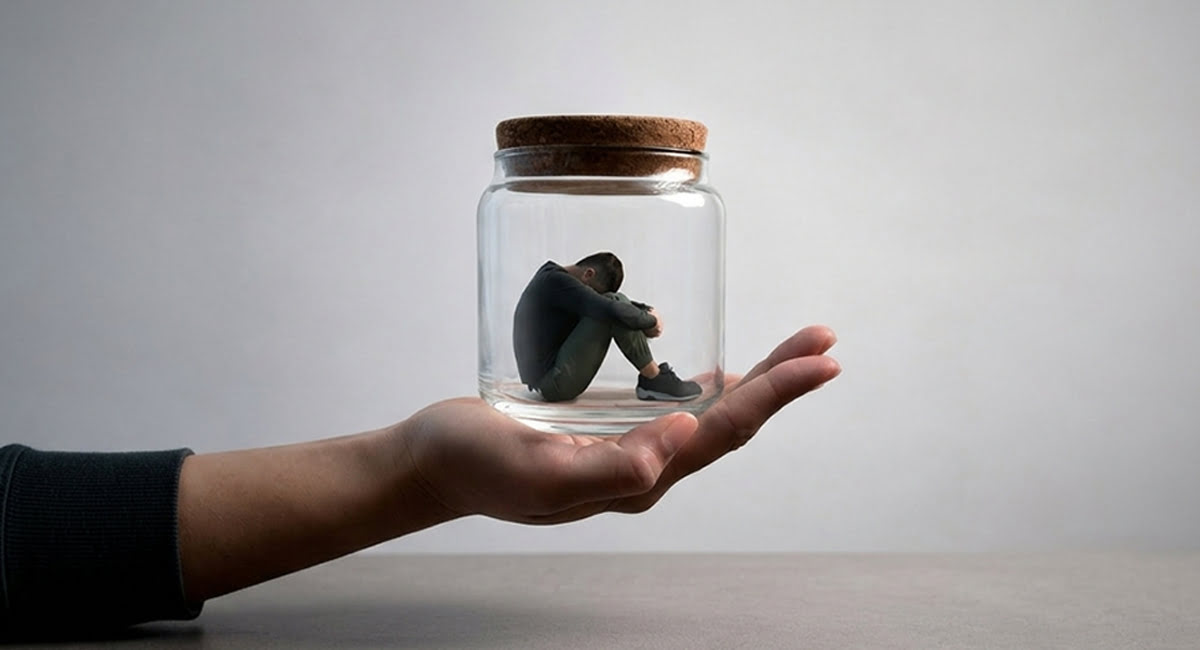
Everyone feels sad from time to time. Depression is different.
Depression involves persistent feelings of sadness, hopelessness, or loss of interest that last for weeks or even months. It can affect work performance, relationships, sleep, appetite, and overall psychological health.
Common symptoms of depression include:
- Persistent sadness or emptiness
- Fatigue and low energy
- Difficulty concentrating
- Changes in sleep patterns
- Loss of interest in activities
- Feelings of guilt or worthlessness
- Irritability
- Social withdrawal
According to the World Health Organization (WHO), depression is one of the leading causes of disability worldwide and affects millions of people across all age groups.
The good news is that depression can be treated, and with the right support, many people go on to feel better and regain control of their lives.
Why People in Karachi Delay Getting Help
Let’s address the elephant in the room. Many people in Karachi delay seeing a psychiatrist because of stigma, cost concerns, or simply because they don’t know where to go.
- “Log kya kahenge?” People will always have opinions. But your mental health is more important than neighbourhood gossip.
- “Main pagal nahi hoon.” Visiting a psychiatrist isn’t a sign that something is wrong with you. It’s a sign that you’re taking your mental health seriously.
- “Maybe it’ll improve on its own.” It might, but there’s no need to make the journey harder or longer than it has to be.
Your psychological health deserves the same attention you give to your physical health. You wouldn’t ignore chest pain for two years. Don’t ignore your mental pain either.
How Can Psychiatric Treatment Reduce Depression?
Many people wonder how psychiatric treatment actually helps.
A psychiatrist is a qualified medical professional who specializes in diagnosing and treating mental health conditions.
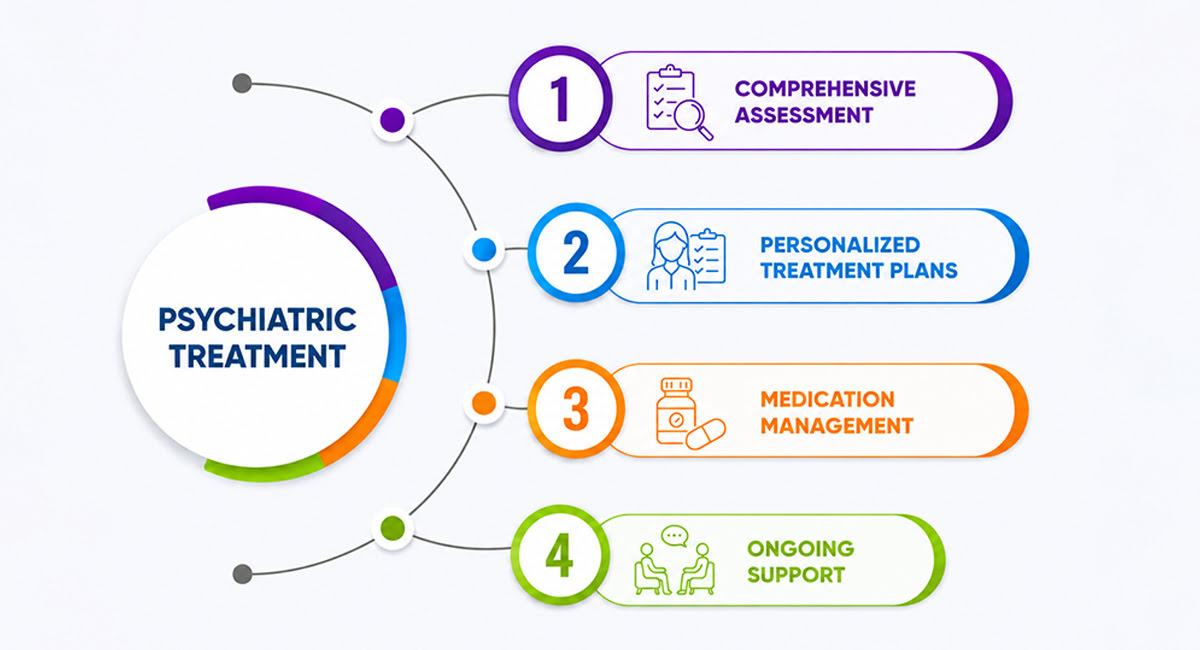
Psychiatric treatment may include:
- Comprehensive assessment: A psychiatrist evaluates symptoms, medical history, lifestyle factors, and emotional wellbeing to understand the underlying causes of depression.
- Personalized treatment plans: Depression affects everyone differently. A psychiatrist creates a treatment plan based on individual needs and goals.
- Medication management: For some individuals, medication may help regulate mood and improve symptoms. Psychiatrists carefully monitor treatment and make adjustments when necessary.
- Ongoing support: Recovery is a process. Regular follow-ups help track progress and address challenges along the way.
Psychiatric treatment can reduce symptoms and improve quality of life when combined with other forms of support.
What Happens When You See a Psychiatrist?
1. They actually listen to you
Your first session is mostly a conversation. The psychiatrist will ask about your mood, your sleep, your thoughts, your daily routine. No judgment. No rushing. Just understanding.
This alone, being genuinely heard, can feel like a massive relief for many patients.
2. They give you a proper diagnosis
Feeling sad all the time is not the same as clinical depression. Worrying a lot is not the same as having an anxiety disorder. A psychiatrist distinguishes between these conditions and gives you a clear, accurate diagnosis, so treatment is targeted, not guesswork.
3. They offer psychiatric treatment tailored to you
Everyone’s brain is different. A psychiatrist designs a psychiatric treatment plan specific to your needs. This may include:
- Psychotherapy: Structured talk therapy that helps you identify negative thought patterns and replace them with healthier ones.
- Medication: Antidepressants or anti-anxiety medication to rebalance brain chemistry when needed.
- Lifestyle guidance: Healthy habits such as quality sleep, regular physical activity, balanced nutrition, and effective stress management can make a meaningful difference in your mental and emotional wellbeing.
- Ongoing monitoring: They check in, adjust the plan, and make sure you’re actually getting better.
4. They tackle overthinking at the root
Overthinking is one of the most common complaints among people with depression and anxiety. Your mind keeps generating worst-case scenarios. You can’t switch it off.
Psychotherapy, especially Cognitive Behavioural Therapy (CBT), is highly effective in helping people challenge negative thought patterns and quiet the constant stream of overthinking. It teaches you to recognize when your brain is spiralling and gives you practical ways to stop it. It’s like installing an off-switch that your brain never had.
5. They help with anxiety too
Depression and anxiety often come together, like an uninvited duo. Therapy for anxiety and depression addresses both at the same time. The psychiatrist helps you understand what triggers your anxiety, how to calm your nervous system, and how to face fears instead of avoiding them.
Many patients who come in asking “Can counseling help anxiety and overthinking?” are pleasantly surprised by how much positive change they experience after only a few therapy sessions. The answer, by the way, is a confident yes.

What About Medication?
Not everyone who visits a psychiatrist will need medication.
Treatment plans are personalized based on the individual’s symptoms, medical history, and overall needs.
For some people, psychotherapy alone may be beneficial. For others, a combination of therapy and medication may provide the best results.
A psychiatrist carefully evaluates each patient before recommending any medication.
The goal is always to provide the most appropriate and effective care for the individual.
How Are Anxiety Disorders Connected to Depression?
Depression and anxiety disorders frequently occur together.
Someone experiencing depression may constantly worry about the future. Similarly, ongoing anxiety can contribute to feelings of exhaustion and hopelessness.
Common symptoms of anxiety disorders include:
- Excessive worry
- Restlessness
- Difficulty relaxing
- Panic attacks
- Racing thoughts
- Sleep disturbances
Treating both conditions together often leads to better outcomes and long-term recovery.

Why Choose Karachi Psychiatric Hospital?
As a trusted Karachi Psychiatric Hospital, we are dedicated to helping individuals achieve better mental health and emotional wellbeing.
Our team offers:
- Expert psychiatric evaluations
- Evidence-based depression treatment
- Professional anxiety treatment
- Psychotherapy and counseling services
- Personalized care plans
- Compassionate support for long-term recovery
As the best psychiatric hospital in Karachi, we focus on improving psychological health through modern, patient-centered treatment.
The Bottom Line
Depression is real. Anxiety is real. Overthinking that keeps you up at night is real. But so is recovery, and it starts with one decision: asking for help.
A psychiatrist won’t judge you. They won’t tell you to “think positive” or “just be grateful.” They will work with you, scientifically and compassionately, to help you feel like yourself again.
Reach out to Karachi Psychiatric Hospital today. Because you deserve a mind that works for you, not against you.
Disclaimer: If you are experiencing thoughts of self-harm, suicidal thoughts, or are in immediate distress, seek emergency medical assistance or contact a local crisis helpline immediately.
Frequently Asked Questions (FAQs)
Can counseling help with anxiety and overthinking?
Yes. Counseling helps individuals manage anxious thoughts, reduce overthinking, and develop healthier coping strategies.
How can psychiatric treatment reduce depression?
Psychiatric treatment may include assessment, psychotherapy, medication, and ongoing support to help reduce symptoms and improve mental health.
Is medication necessary for depression treatment?
Not always. Some people benefit from psychotherapy alone, while others may require a combination of therapy and medication.
Can depression and anxiety occur together?
Yes. Depression and anxiety disorders often occur together and may require a comprehensive treatment approach.
When should I see a psychiatrist for depression?
If symptoms such as persistent sadness, low energy, anxiety, or overthinking last for more than two weeks and affect daily life, it is important to seek professional help.