
By Karachi Psychiatric Hospital Editorial Team | Medically Reviewed by Consultant Psychiatrists | Aug 2026
Sara is given as an example of the typical differences between acute and chronic stress.
Sara, a 29-year-old banker residing in Karachi, had a panic attack prior to her important presentation. Her heart started to beat more quickly, her hands became cold, and her stomach ended up twisting itself into knots. But by the following hour, after the meeting was over, she had returned to her usual state. A reaction of that type is referred to as acute stress; it is sharp, short-lasting, and fades away when the situation is over.
A year later, the situation had changed. Sara began to feel tired almost every day, had difficulty sleeping, got angry with her family about insignificant things, and always experienced anxiety, even on quiet weekends. This was not just a temporary reaction; it was chronic stress, and it had gradually taken over her life.
We experience both kinds of stress without realizing that they are different, and the first thing you need in order to get the appropriate kind of help is to realize this difference.
What Is Acute Stress?
Acute stress is a reaction that is short-term and occurs in response to an immediate challenge, threat, or demanding situation; it can come on suddenly and generally fades away when the stressful situation is over.
For example, you might experience acute stress before an exam, a job interview, an important meeting, an argument, a medical procedure, or when encountering an unexpected problem.
According to the World Health Organization (WHO), stress is a state of worry or mental tension caused by a difficult situation. While some stress can help people respond to everyday challenges, excessive or persistent stress can negatively affect physical and mental well-being.
Common signs of acute stress may include:
- Fast heartbeat
- Sweating or shaky hands
- Rapid breathing
- Headache
- Muscle tension
- Feeling nervous or worried
- Difficulty concentrating
- Irritability
- Stomach discomfort
- Trouble sleeping for a short period
In most cases, acute stress is only temporary, and after the situation has ended, the body then gradually gets back to its normal state as part of the stress recovery process.
What Is Chronic Stress?
Unlike ordinary stress, chronic stress lasts for a long time and may go on for weeks, months, or even longer.
Ongoing financial troubles, disagreements in the family, pressure at work, difficulties in relationships, obligations that involve looking after other people, or other ongoing problems all contribute to chronic stress.
WHO notes that chronic stress can worsen existing health problems, while persistent stress symptoms may also contribute to or occur alongside mental health conditions such as anxiety and depression.
When someone is under acute stress, they don’t tend to get used to it, but in the case of chronic stress, a person may come to consider the continuous state of tension and exhaustion as normal. However, over time, stress can have a negative effect on a person’s mental health, physical health, relationships, and their everyday responsibilities.
What Are The Physical And Mental Signs Of Chronic Stress?
Chronic stress is not always evident in the form of ‘stress’; it usually appears as a physical illness or changes in mood. Some of the common signs include:
Physical signs:
- Constant tiredness, even after sleeping
- Frequent headaches or body aches
- Stomach issues (acidity, bloating, appetite changes)
- Trouble falling or staying asleep
- Weakened immunity (getting sick often)
- Rapid heartbeat or chest tightness
Important: Although stress can lead to physical symptoms such as a fast heartbeat or chest discomfort, such symptoms may also have causes that have nothing to do with stress. You should not assume that new, severe, persistent, or worrying chest symptoms are the result of stress; instead, you should get a proper medical evaluation.
Mental and emotional signs:
- Feeling anxious or “on edge” most of the time
- Irritability or mood swings
- Difficulty concentrating or making decisions
- Feeling overwhelmed or hopeless
- Losing interest in activities you once enjoyed
- Withdrawing from friends and family
If several of them sound familiar, then you should consider seeing a mental health professional instead of just hoping that things will improve on their own.
What Is the Main Difference Between Acute Stress and Chronic Stress?
The main difference lies in the duration of the stress.
Acute stress should not be confused with Acute Stress Disorder (ASD). Acute stress is the normal response to a stressful situation, whereas Acute Stress Disorder is a particular psychiatric disorder associated with trauma and stressors that can occur after a person has been exposed to a traumatic event. As specified in the DSM-5-TR criteria, ASD involves symptoms in a number of areas, including intrusion, negative mood, dissociation, avoidance, and increased arousal. The symptoms have to continue for a period of at least three days and no more than one month and must cause marked distress or impairment. Diagnosis should be made by a qualified mental health professional.
| Key Factors | Acute Stress | Chronic Stress |
| Duration | Short-term | Persistent/recurring |
| Common Trigger | Immediate event or demand | Ongoing/repeated pressures |
| Recovery | Usually eases after the stressor passes | May persist without adequate recovery or change |
| Impact | Usually temporary | Can increasingly affect daily functioning |
| When to seek help | Severe symptoms, trauma-related symptoms, or difficulty functioning | Persistent symptoms or interference with everyday life |
Merck Manual’s physician-reviewed clinical guidance, based on DSM-5-TR criteria, states that ASD requires traumatic exposure and at least nine symptoms across the relevant symptom categories lasting from three days to one month, together with clinically significant distress or impairment.
Can Stress Affect Your Daily Life?
So, if stress is frequent or severe, it can have an effect on many aspects of everyday life.
You might find it harder to concentrate when you are at work or when you are studying; your sleeping patterns could change, and you may become impatient with your family or friends. There is a possibility that some people begin to avoid social activities since they feel mentally drained.
Stress can affect:
- Work or academic performance
- Sleep quality
- Relationships
- Decision-making
- Concentration
- Eating habits
- Energy levels
- Motivation
- Emotional wellness
If regular stress makes it hard for you to carry out your work, study, maintain your relationships, or look after ordinary tasks, it may be advisable to seek professional help.
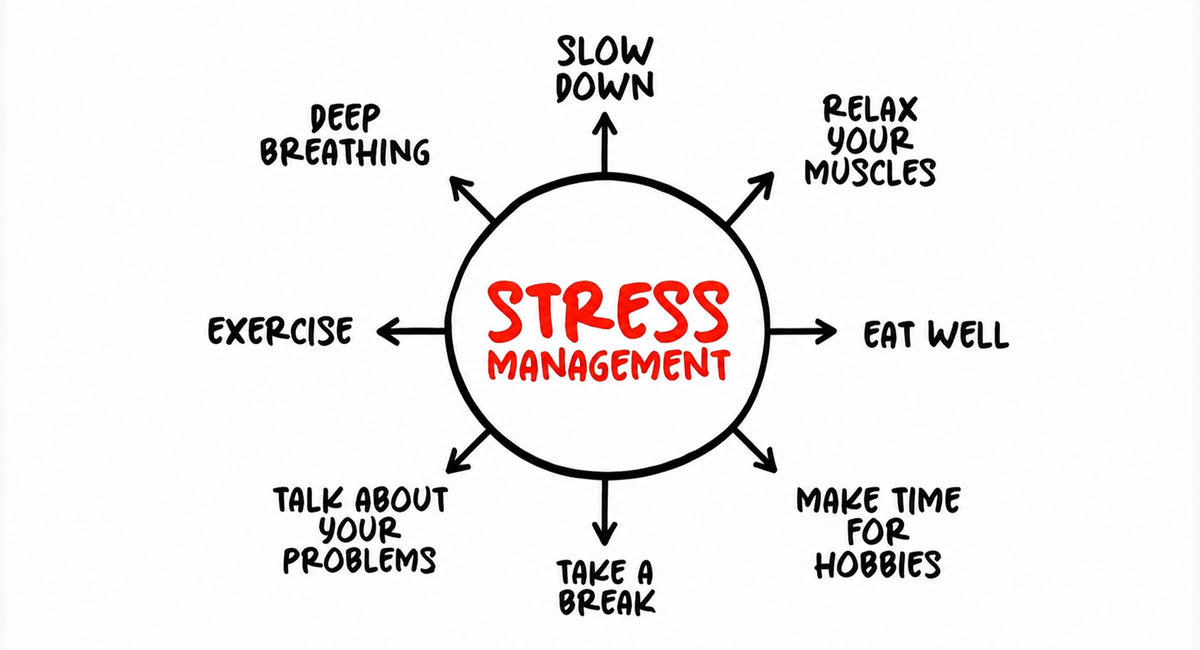
What Stress Relief Techniques Can Help?
Healthy stressmanagement does not always require major lifestyle changes. Simple daily habits can help you manage stress better.
Helpful stress relief techniques may include:
- Preserving a regular sleep schedule
- Taking short breaks during demanding days
- Practicing slow, controlled breathing
- Exercising regularly
- Eating balanced meals
- Limiting unnecessary screen time
- Talking to trusted friends or family
- Organizing tasks into feasible steps
- Making time for relaxing activities
Various strategies suit different individuals; what you are aiming for is to identify those that allow both your body and mind sufficient time to recover from stress.
When Should You Seek Professional Help for Stress?
If the stress you are experiencing is severe, continues over a long period, or has a major impact on your daily activities, then you should think about seeing a mental health professional.
A psychiatrist or psychologist can assess your symptoms and determine whether they are the result of stress or some other mental health condition. The kind of support offered may consist of psychological therapies, advice on lifestyle changes, strategies for managing stress, or the use of medication when this is appropriate from a clinical point of view.
People searching for a Karachi Psychiatric Hospital or professional mental health services should choose qualified professionals who can provide an individual assessment rather than relying only on self-diagnosis.
Where Can You Get Treatment for ASD in Pakistan?
If symptoms begin after a traumatic experience and continue to produce significant distress, professional assessment is especially important. Acute stress disorder treatment in Pakistan may involve trauma-focused psychological support and other evidence-based approaches depending on the person’s symptoms and circumstances.
A qualified psychiatrist or clinical psychologist is able to distinguish between a normal short-term stress reaction and acute stress disorder, as well as other conditions which have similar symptoms.

How Can KPH Support Stress Management?
Professional care needn’t be postponed until stress has become unbearable, and individuals who are experiencing continuous stress or emotional difficulties can get a professional mental health evaluation and advice at the Karachi Psychiatric Hospital.
Effective support begins with an understanding of the person’s symptoms, the difficulties they experience on a daily basis, and the possible reasons for their stress. Having this information, a mental health professional will be able to recommend an appropriate method for managing the symptoms and for supporting daily functioning.
Urgent Help: If you are having thoughts of suicide or self-harm, find it impossible to look after your own safety, or are going through a mental health emergency, you should get immediate help from your local emergency services or go to the nearest emergency department.
What Should You Remember About Acute and Chronic Stress?
Stress is a part of life, but not all stress is identical. Acute stress is generally short-term and is associated with a situation that is occurring at the time, while chronic stress continues for a longer period and can gradually impact your everyday well-being.
Watch for changes in your sleep, mood, concentration, energy, relationships, and physical health. Healthy stress relief techniques can support recovery, but chronic or intense symptoms deserve professional attention.
You should consider contacting the Karachi Psychiatric Hospital or some other qualified mental health professional to have the stress you are going through assessed and to get the appropriate support if it is having an effect on your ability to look after your daily life.
Contact Karachi Psychiatric Hospital now to arrange a consultation and take a positive step toward better mental well-being.
Frequently Asked Questions (FAQs)
What is acute stress?
Acute stress is a short-term response to an immediate challenge or stressful situation.
What is chronic stress?
Chronic stress is ongoing or recurring stress that may last for weeks, months, or longer.
Can acute stress become chronic?
Yes. Repeated or unresolved stressors can contribute to chronic stress over time.
Is chronic stress a mental illness?
Not usually, but chronic stress can negatively impact both your mental and physical health.
When should I seek help for stress?
Seek professional help if stress is severe, persistent, or interfering with your daily life.
Sources:
- WHO — Stress: Questions and Answers
- Merck Manual Professional — Acute Stress Disorder
Medical Disclaimer: This article is intended for general educational purposes and should not be used as a substitute for diagnosis, treatment, or individualized advice from a qualified healthcare professional.