
By Karachi Psychiatric Hospital Editorial Team | Medically Reviewed by Consultant Psychiatrists | Aug 2026
It is quite normal to feel nervous when meeting new people, giving a speech, or going to an important interview, but in the case of someone who has social anxiety disorder (social phobia), such situations can lead to severe fear, physical anxiety symptoms, and a strong urge to escape or avoid them completely.
Social anxiety is part of a broader mental health issue. In 2021, the World Health Organization (WHO) reported that 359 million people worldwide had an anxiety disorder, a figure corresponding to approximately 4.4% of the total global population. The NIMH estimates that the prevalence of social anxiety disorder among adult residents of the United States is 7.1%, a figure based on data from the National Comorbidity Survey Replication, which was collected between 2001 and 2003.
Understanding common social anxiety triggers in adults can make it easier to recognize when ordinary nervousness may have developed into a condition that deserves professional attention.
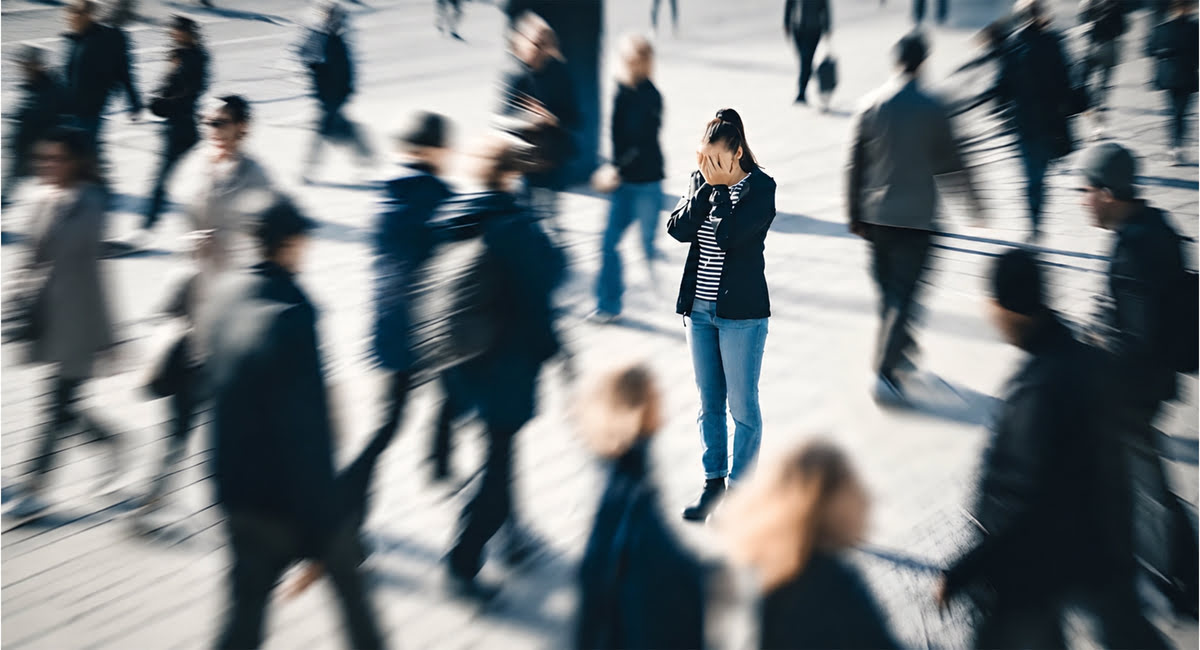
What Is Social Anxiety Disorder?
Social anxiety disorder is not just ordinary shyness; it involves a severe and persistent fear of situations in which a person believes that others may be observing, judging, criticizing, or humiliating them.
The NIMH states that someone who has social anxiety might feel afraid in situations like having to meet strangers, giving a speech in public, attending job interviews, responding to questions, asking for help, or even when eating in the company of other people.
Common symptoms include:
- Sweating, shaking, or blushing
- Fast heartbeat
- Nausea or an upset stomach
- Difficulty making eye contact
- Suddenly struggling to think clearly
- Speaking very quietly or struggling to find words
- Intense fear of judgment and embarrassment
- Avoiding people, gatherings, or important activities
- Thinking back over conversations and worrying about mistakes.
What is important is the impact it has. Ordinary nervousness generally does not significantly affect your life, while social anxiety can interfere with your work, studies, relationships, and daily activities.
Which Social Situations Can Trigger Intense Anxiety?
Different people have all sorts of things that make them react in a particular way. For example, one person may feel at ease when speaking to close friends but become rather anxious when with strangers, while another person might enjoy being at parties but have trouble when they are the center of attention.
Some common social situations that can trigger anxiety include:
- Meeting new people
- Attending weddings, parties, or family gatherings
- Speaking in meetings or classrooms
- Giving presentations
- Talking to a manager or authority figure
- Making phone calls
- Eating or drinking in front of others
- Starting conversations
- Going on dates
- Asking someone for help
- Being watched while completing a task
- Going into a room while there are already people present.
- Participating in group discussions
- Using public facilities
- Making mistakes in front of other people
A person suffering from social interaction anxiety will regard a typical conversation as if it were an examination in which each word, expression, or action could be judged.
It should be pointed out that the fact that someone feels anxious in one or more of the situations mentioned does not on its own mean that they have social anxiety disorder; a proper professional assessment is necessary if a diagnosis is to be made.
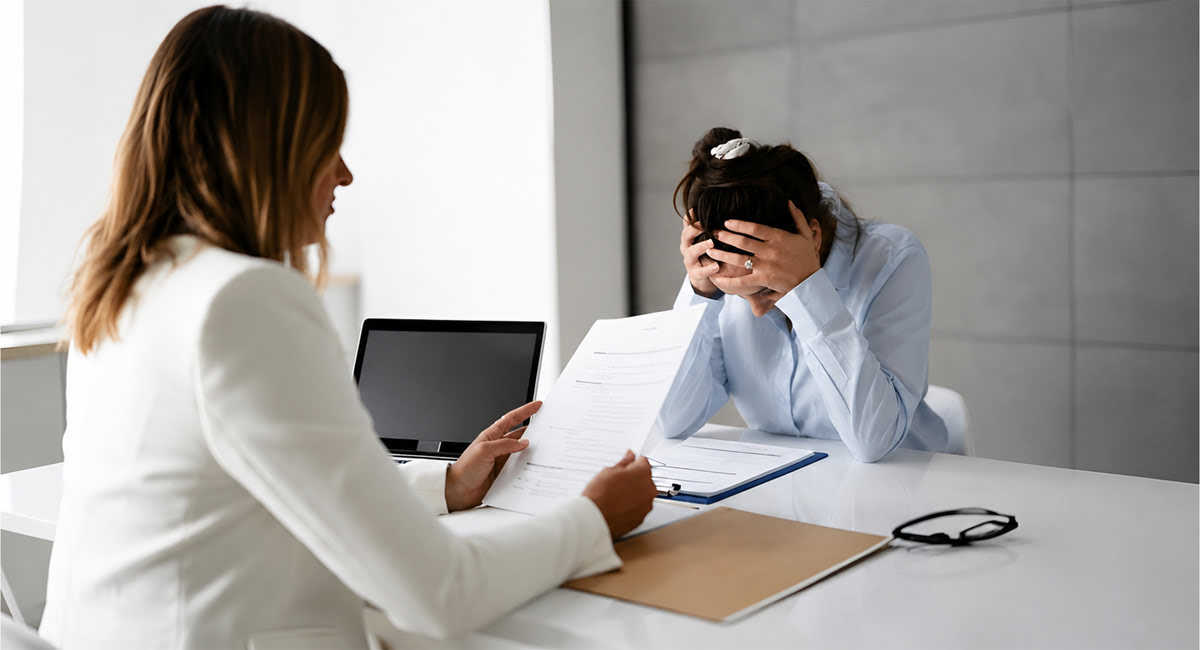
Why Do Job Interviews Trigger Social Anxiety?
Job interviews involve all the usual causes of social anxiety.
You are presently under observation, being questioned, expected to give firm answers, and aware that your performance is being assessed. You may also be under pressure since the result could have an impact on your career or your financial position.
Someone with social anxiety may think:
- What if I lose my train of thought?
- What if they can tell that I am nervous?
- What if I give the wrong answer and embarrass myself?
These thoughts may result in an increased degree of physical anxiety, making it harder to concentrate or to speak spontaneously. The NIMH states that job interviews are one of the situations in which people with social anxiety disorder experience intense fear.
Why Can Public Speaking Feel So Frightening?
For a person who is already afraid of being negatively judged, speaking in public means putting themselves right in the spotlight, and this can be extremely overwhelming.
They might worry about trembling, blushing, failing to remember precisely what they are going to say, mispronouncing a word, or being laughed at, and in certain cases, anxiety can start days or even weeks before the event.
Even though avoiding the situations may give some temporary relief, ongoing avoidance can, in fact, lead to an increase in fear, and exposure to the situations that are feared can be part of cognitive behavioral therapy for social anxiety, allowing individuals to gradually confront the situations they have been avoiding.
Can Weddings and Family Gatherings Trigger Social Anxiety?
In Karachi and in other areas of Pakistan, weddings and family get-togethers can include large numbers of people, the exchange of introductions, taking photographs, and talking to relatives about subjects such as education, marriage, career, or personal life.
Someone with social anxiety may worry about how others view their looks, their behavior, their career, or their skills in communication. However, anxiety about being watched or judged can still arise even when they are among people they know.
The fact that a person avoids family events does not prove that they have a mental health disorder; it is necessary to consider how often the avoidance occurs, how severe it is, how long it persists, and the effect that the anxiety has on their daily life.
How Do I Know If I Have Social Anxiety?
That fact does not mean that you have social anxiety disorder just because you at times feel nervous.
If the persistent fear of social situations is beginning to affect your daily life, then it would be a good idea to get a professional evaluation. The NIMH states that for a diagnosis to occur, there must be substantial fear or anxiety about situations in which one might be watched, the fear or anxiety must last for at least six months, and it has to make a significant impact on areas such as work, school, or your relationships.
Consider speaking with a mental health professional if you regularly:
- Avoid important events because of fear
- Turn down opportunities that involve speaking or meeting people
- Experience severe anxiety before ordinary interactions
- Feel constantly worried about being embarrassed
- Have physical anxiety symptoms around other people
- Spend excessive time analyzing conversations afterwards
- Find that anxiety is affecting your studies, career, or relationships
If you want to get a more thorough understanding of the symptoms of anxiety, you may also read our article: How Do I Know If I Have Anxiety?
What Is The Best Treatment For Social Anxiety?
Social anxiety disorder can be treated; the right approach depends on the individual’s symptoms, their preferences, their general health, and the professional’s assessment.
There is strong evidence indicating that cognitive behavioral therapy (CBT) can be applied in instances of social anxiety disorder. According to the NIMH, CBT is a treatment that has been the subject of extensive study and is supported by research because it enables people to alter their unhelpful ways of thinking and behaving. The NICE guidelines state that individual CBT, which has been specially designed for social anxiety disorder, should be recommended as a first-line treatment for adults.
Treatment may include:
- Cognitive behavioral therapy (CBT)
- Gradual exposure to feared social situations
- Learning to challenge negative assumptions
- Building healthier coping strategies
- Anxiety counseling or psychotherapy
- Medication when clinically appropriate
- A combination of therapy and medication in some cases
Medication should only be considered after an appropriate medical evaluation. Before recommending treatment, a psychiatrist will consider your symptoms, other health conditions, medications you are currently taking, and possible side effects.
When Should You Seek Professional Help?
You should obtain professional help if the anxiety you feel in social situations becomes continuous or if it starts to have an effect on your work, your studies, your relationships, your opportunities, or your normal activities.
When fear causes you to regularly avoid the activities that are important to you or when you have trouble controlling your anxiety, a professional evaluation can be very useful.
The fact that you have asked for an evaluation does not prove that you definitely have social anxiety disorder.
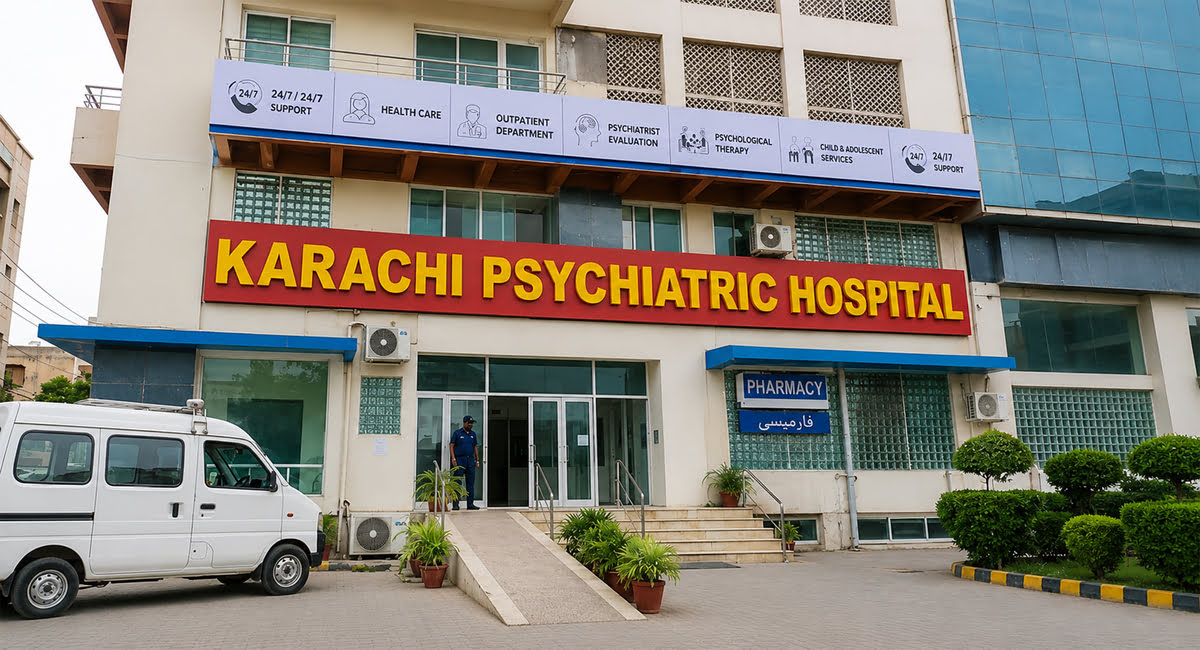
Getting Social Anxiety Support at KPH
If you are looking for the best psychiatrist in Karachi who specializes in social anxiety, you should look for one who is qualified and has the necessary amount of experience so that he or she may properly assess your symptoms and recommend a course of treatment suitable to your particular needs.
At the Karachi Psychiatric Hospital (KPH), mental health specialists provide help to individuals who suffer from anxiety in social situations, such as when giving interviews, making public speeches, attending social events, or when they think that they are being watched or judged.
Actually, the effects of social anxiety vary from person to person; even though some people may feel at ease with their family and friends, they can still suffer from severe anxiety when meeting strangers or when at work or in situations requiring them to perform.
During a psychiatric evaluation, you have the chance to have your symptoms examined, along with the situations that cause them, the ways in which you avoid them, and the impact that anxiety has on your work, your studies, your relationships, or your daily life. The treatment provided could be CBT, medication if it is suitable from a clinical standpoint, or a combination of both.
Take the Next Step
If the fear of being judged, the fear of feeling embarrassed, or the need to go to social situations is having an effect on your daily life, then you should consider seeking professional assistance.
If you want to arrange for an assessment by a qualified mental health professional and discuss the different treatment options, contact Karachi Psychiatric Hospital.
Frequently Asked Questions
What triggers social anxiety?
The kind of things that cause the situation to occur are meeting new people, having to deliver a speech in public, going for job interviews, being at social gatherings, and being in situations in which you might be judged.
What is the way of telling whether or not I have social anxiety?
If a person still feels afraid or goes on avoiding certain situations that affect their work, their relationships, their studies, or their everyday life, then this might be a sign that they need their condition to be professionally evaluated.
Can social anxiety lead to physical symptoms?
The symptoms may involve sweating, trembling, blushing, feeling nauseous, and experiencing a rapid heartbeat.
Is social anxiety treatable?
Yes, treatment can involve CBT, gradual exposure, medication if appropriate, or a combination of these methods.
How do I find a psychiatrist in Karachi for social anxiety?
Look for a qualified psychiatrist with relevant experience who provides thorough assessment and individualized treatment.
Sources:
- World Health Organization (WHO): Anxiety disorders
- National Institute of Mental Health (NIMH): Social anxiety disorder: What You Need to Know
- National Institute of Mental Health (NIMH): Social anxiety disorder statistics
- National Institute for Health and Care Excellence (NICE): Social anxiety disorder: recognition, assessment and treatment
Disclaimer: This article is intended for general educational purposes and does not replace diagnosis, medical advice, or treatment from a qualified healthcare professional.