
By Karachi Psychiatric Hospital Editorial Team | Medically Reviewed by Consultant Psychiatrists | June 2026
Have you ever had a headache but convinced yourself it would magically disappear if you ignored it long enough? We’ve probably all caught ourselves doing that from time to time. Surprisingly, many people treat mental health the same way.
They feel stressed, anxious, emotionally exhausted, or overwhelmed but tell themselves, “I’m fine.” Meanwhile, their mind is waving a giant red flag and shouting, “Excuse me, we need to talk!”
Mental health awareness has improved over the years, but many people still struggle to accept when they are facing mental health challenges. Understanding why this happens is the first step toward better mental fitness and healthier lives.

Why Is It So Hard to Accept Mental Health Problems?
When people experience physical symptoms such as fever or a broken bone, they usually seek medical help without hesitation. Mental health issues are different because the symptoms are often invisible.
You can’t show someone an X-ray of your stress. Anxiety doesn’t come with a cast. Depression doesn’t always announce itself loudly.
As a result, many people ignore their emotional struggles or convince themselves that they should simply “be stronger.”
Mental health challenges are medical issues, not signs of weakness.
Do Cultural Beliefs Make Things Worse?
Unfortunately, yes.
In many communities, including parts of Pakistan, mental health awareness is still growing. Some people may view mental health challenges through cultural, personal, or religious beliefs and may mistakenly associate them with weak character or personal failure.
Others may hear advice like:
- “Just stay positive.”
- “Stop thinking too much.”
- “Everyone goes through this.”
- “You’ll be fine tomorrow.”
While these comments are usually well-intended, they can make people feel misunderstood and prevent them from seeking proper psychiatric care.
Mental health awareness in Pakistan has improved significantly over the years, but there is still a long way to go.
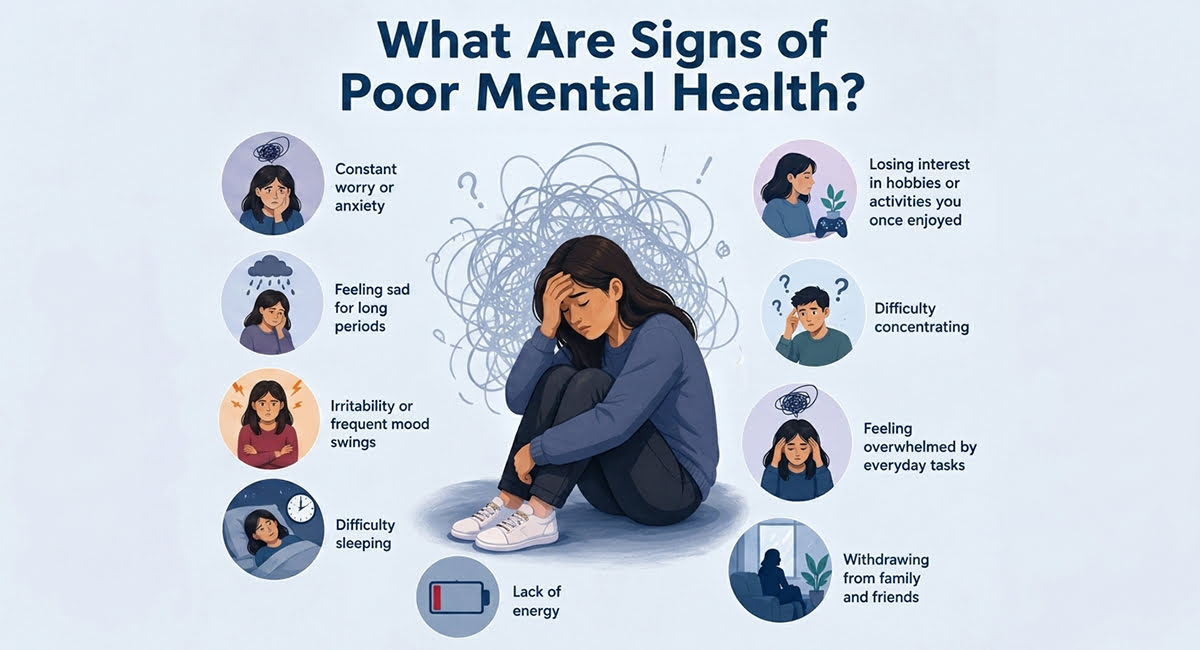
What Are Signs of Poor Mental Health?
Many people do not realize that their symptoms may be connected to a mental health condition.
Some common signs of poor mental health include:
- Constant worry or anxiety
- Feeling sad for long periods
- Irritability or frequent mood swings
- Difficulty sleeping
- Lack of energy
- Losing interest in hobbies or activities you once enjoyed
- Difficulty concentrating
- Feeling overwhelmed by everyday tasks
- Withdrawing from family and friends
These symptoms may occur for many reasons. However, if they persist for more than two weeks or interfere with daily functioning, professional evaluation is recommended.
Why Do People Avoid Getting Help?
Many people believe they can handle everything on their own.
While independence is valuable, mental health challenges are not always something a person can solve without support.
According to the World Health Organization, approximately one in eight people worldwide lives with a mental health condition.
People often hesitate to seek support for a variety of reasons.
- Fear of judgment: Many people worry about being labeled or misunderstood by others.
- Denial: Some individuals convince themselves that their symptoms are temporary and will disappear on their own.
- Lack of awareness: People often don’t recognize that what they are experiencing may be a treatable mental health condition.
- Cultural beliefs: In many communities, discussing emotional struggles is still considered uncomfortable or unnecessary.
- Fear of treatment: Some people imagine that psychiatric care means lying on a couch while someone analyzes every childhood memory.
In reality, modern psychiatric care is practical, supportive, and focused on helping individuals improve their quality of life.
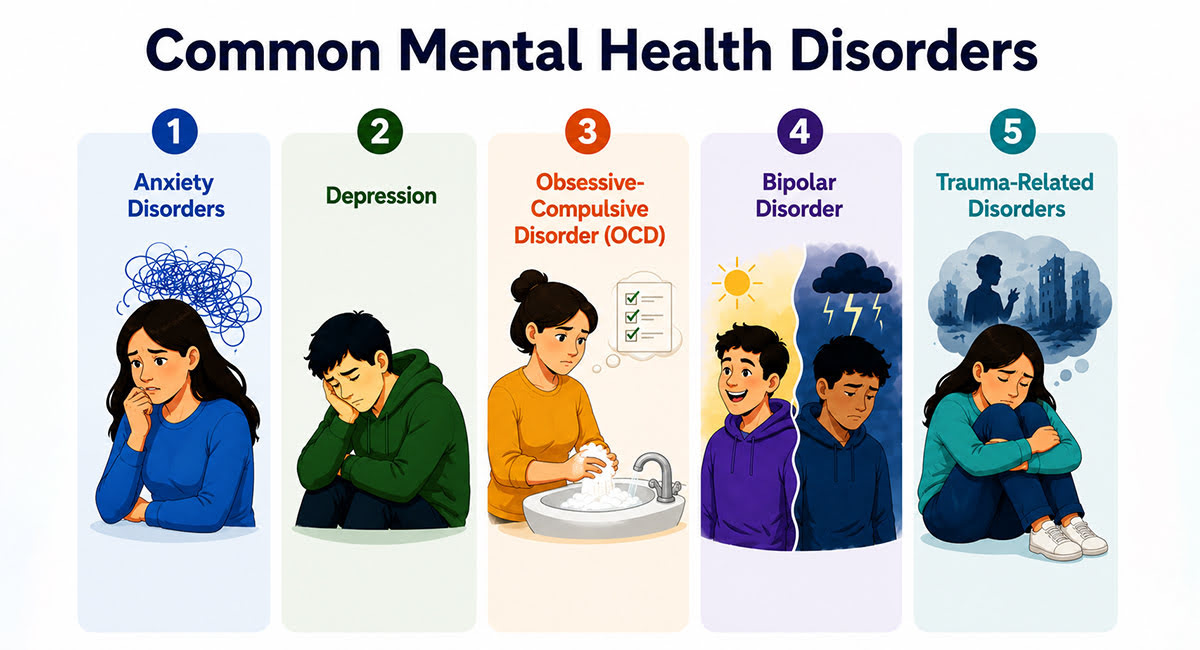
What Are Common Mental Health Disorders?
These conditions are far more common than most people think. Here are some mental health conditions that many people experience:
1. Anxiety Disorders
Anxiety is more than feeling nervous before an exam or a job interview. It can cause excessive worry, panic attacks, racing thoughts, and physical symptoms such as a fast heartbeat.
2. Depression
Depression affects how a person feels, thinks, and functions. It can lead to persistent sadness, hopelessness, and loss of motivation.
3. Obsessive-Compulsive Disorder (OCD)
People with OCD experience unwanted thoughts and repetitive behaviors that can interfere with daily life.
4. Bipolar Disorder
This condition causes significant changes in mood, energy levels, and activity.
5. Trauma-Related Disorders
Traumatic experiences can have lasting emotional effects. Trauma healing often requires professional support through psychotherapy and other evidence-based treatments.
What Happens If Mental Health Problems Are Ignored?
Ignoring mental health problems can be a little like ignoring a small leak in your roof. It may not seem serious at first, but over time, it can affect other areas of your life.
When mental health concerns are left unaddressed, they can affect:
- Relationships: Stress, anxiety, or depression may make it harder to connect and communicate with others.
- Work or Studies: Difficulty concentrating, low motivation, and emotional exhaustion can impact performance and productivity.
- Physical health: Ongoing emotional distress may contribute to sleep problems, fatigue, headaches, and other physical symptoms.
- Overall well-being: Symptoms may become more difficult to manage over time and begin interfering with daily life.
The good news is that early support can make a meaningful difference. Seeking help is not a sign of weakness; it’s an important step toward improving your mental well-being and quality of life.
How Psychotherapy Can Help
Psychotherapy is one of the most effective ways to improve mental wellbeing.
Through psychotherapy, individuals can:
- Understand their emotions
- Learn healthy coping strategies
- Improve communication skills
- Build self-confidence
- Manage stress more effectively
- Develop healthier thought patterns
Psychotherapy provides a safe and confidential environment where individuals can discuss concerns openly without fear of judgment.
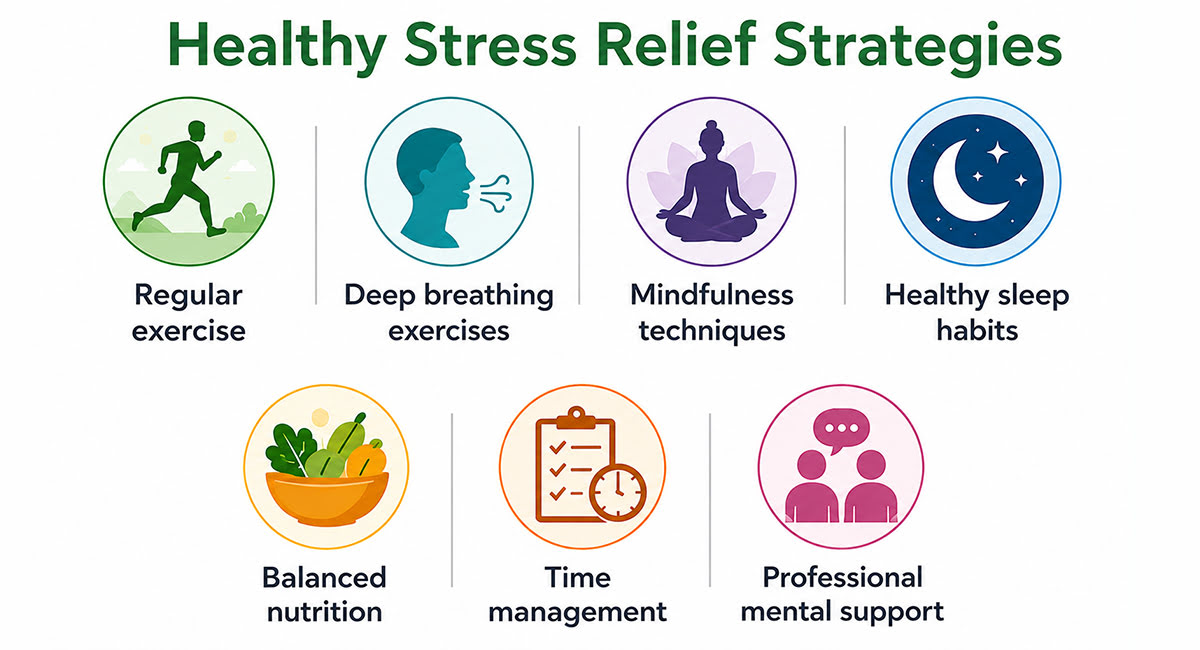
What Are Effective Stress Relief Techniques?
Stress is a normal part of life, but it shouldn’t take over your life.
Healthy stress relief strategies include:
- Regular exercise
- Deep breathing exercises
- Mindfulness techniques
- Healthy sleep habits
- Balanced nutrition
- Time management
- Professional mental support
Many people believe they can simply ignore stress.
Unfortunately, stress has a habit of overstaying its welcome.
When Is the Right Time to Ask for Help?
Professional support isn’t only for emergencies; it can help at any stage of your mental health journey.
Consider visiting a mental health clinic if you experience:
- Persistent anxiety
- Ongoing sadness
- Panic attacks
- Difficulty sleeping
- Emotional distress
- Problems functioning at work or school
- Relationship difficulties
Early intervention often leads to better outcomes and faster recovery.

Why Is Seeking Help a Sign of Strength?
Many people think asking for help means they have failed.
In reality, recognizing that you need support is one of the strongest decisions you can make. Seeking help shows self-awareness, courage, and a commitment to improving your quality of life.
Mental health challenges are common, and no one should have to face them alone.
Finding the Right Support
Seeking help is a sign of self-awareness, not weakness.
At Karachi Psychiatric Hospital, our team provides compassionate psychiatric care, psychotherapy, anxiety treatment, trauma healing, and mental support tailored to each individual’s needs.
As the best psychiatric hospital in Karachi, we understand that every person’s journey is different. Our goal is to help patients improve their mental wellbeing and regain control of their lives.
Ready to Take Care of Your Mental Health?
Mental health problems are common, but suffering in silence doesn’t have to be.
Seeking help is not a sign of weakness. It is a sign that you value your health and well-being.
If you or a loved one is struggling with stress, anxiety, depression, or other emotional challenges, professional support is available.
At Karachi Psychiatric Hospital, our team is here to help you take the first step toward a healthier, happier, and more balanced life.
Disclaimer: The information provided in this article is intended for educational purposes only and should not replace professional medical advice, diagnosis, or treatment.
FAQs
Can mental health problems go away on their own?
Some symptoms may improve over time, but persistent emotional distress often requires professional evaluation and support.
Is it normal to seek psychiatric care for stress?
Yes. When stress begins affecting sleep, work, relationships, or daily functioning, professional support can be beneficial.
Can psychotherapy help with anxiety?
Yes. Psychotherapy is one of the most effective evidence-based treatments for anxiety disorders.